
Tell us how you first became interested in creating art.
I didn’t grow up in a family that valued the arts, so my exposure to that culture was non-existent. There was no importance placed on learning, education, or even reading. In my childhood, I began to write stories as an escape from my circumstances since books were not valued. My stories lead to poems and, eventually, to adding pictures to my writings. I was the first one in my family to ever go to college. Though I had no formal training in art, I remember I was a freshman in college when I sold my first piece.
Which artists or art movements have influenced you?
I can honestly say that I wasn’t really influenced by a particular artist or art. I think that having only studied writing and literature in college, I drew upon the images my mind created from the things I was reading and my creative writing endeavors. My art developed as an extension of my writing. Having no formal training, my early artwork was rudimentary at best. Certainly, my work was in no way elevated or disciplined.
I guess art brought back a sense of peace, comfort, and escape
How would you describe your artistic style? What inspires you?
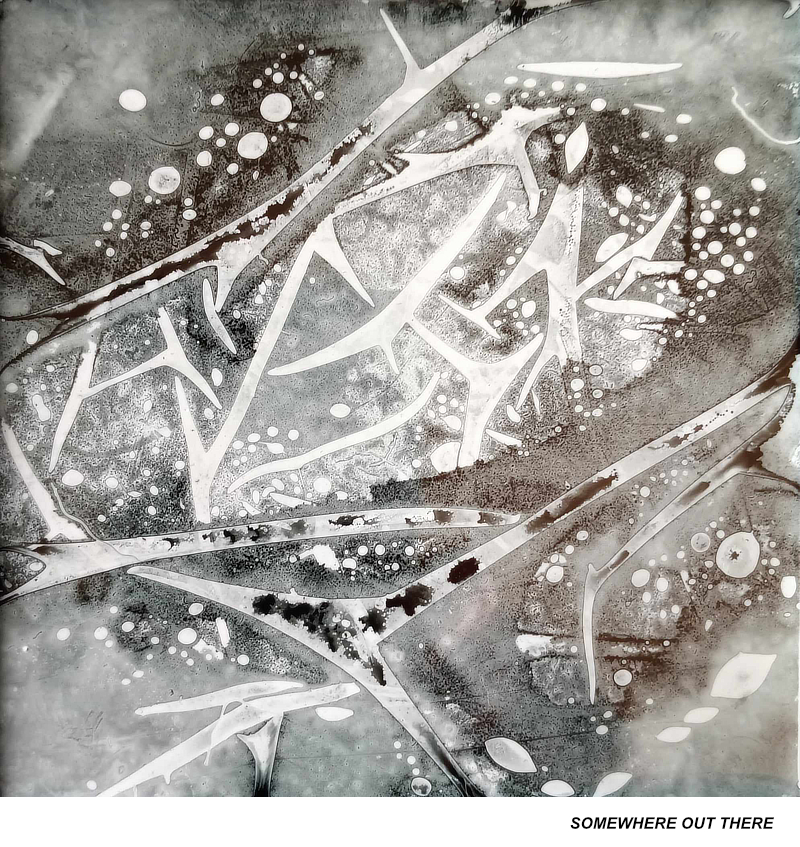
I abandoned my art making for about three decades until I was diagnosed with Multiple Sclerosis. My first serious flare-up of the disease left me without the temporary use of my arms and severe tremors in my hands. I had to leave my job because the disease left me disabled. I remember reading about an upcoming group art show and I decided to enter a piece of work. I guess art brought back a sense of peace, comfort, and escape.
What is your favorite art accident? Did it change your perspective?
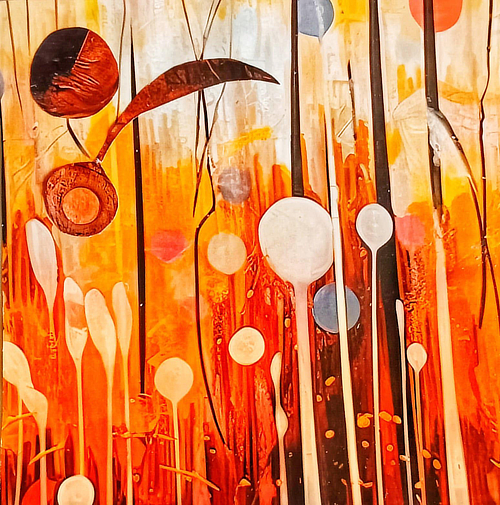
I was doing mostly abstract acrylic paintings when I discovered alcohol inks. Alcohol ink is temperamental. I could start out with an idea, and even certain colors of ink, and the resulting finished piece was oftentimes not what I was expecting. The inks seemed to have a life of their own. The “accidents” were sometimes disappointing, but sometimes better than I could have imagined. I learned to embrace these accidents and many of them became my favorite pieces.
What is the most important thing about art to you?
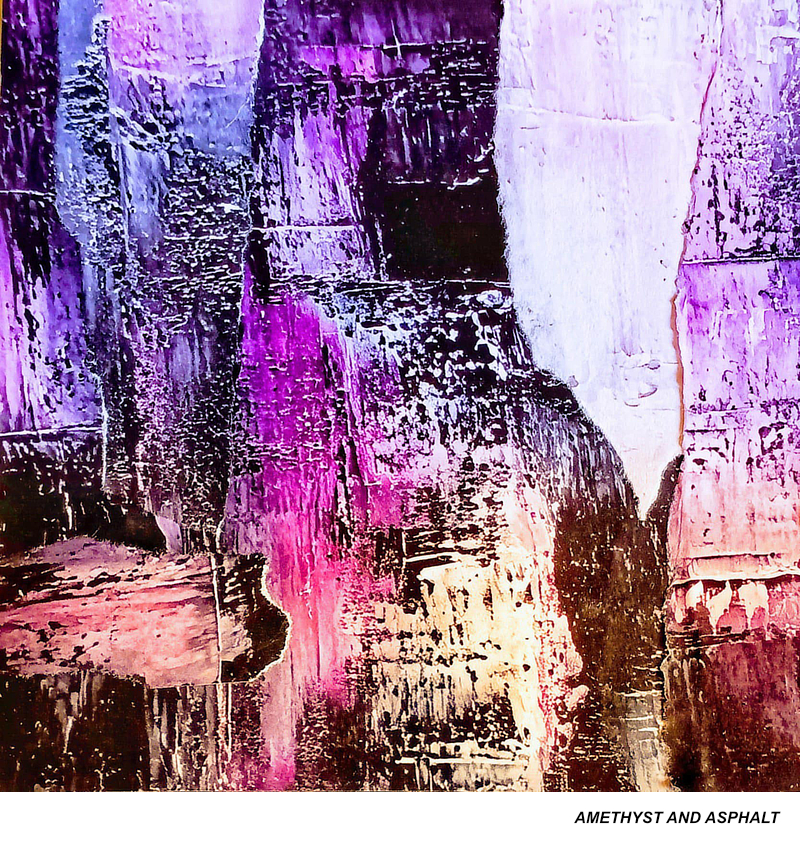
I try to produce work that speaks to me, but I really want people to see what they see, so to speak. I never want to tell someone they MUST see what I was intending because if, for example, I was creating a piece of work based on an aspect of my Multiple Sclerosis, the viewer may just simply not understand or relate. I don’t feel it is my place to insist they see my intent necessarily.
How do you promote your art?
I have participated in numerous shows across the United States—a method of promotion I truly enjoy. I have also appeared in literary art publications, some international and some scholarly. I never seem to post enough on social media like many artists manage to do.
I am getting better at promoting my work, but I have a long way to go.
What is missing from the contemporary art market? What problems do you see in contemporary art right now?
I strive to make my art affordable. I think a lot of people can agree that the huge price tags associated with contemporary art are a hindrance to the average, working-class buyer. Maybe if I placed a more personal value on money, I would feel differently. I want everyone to be able to afford art that speaks to them.
What are your plans? What are you working on now?
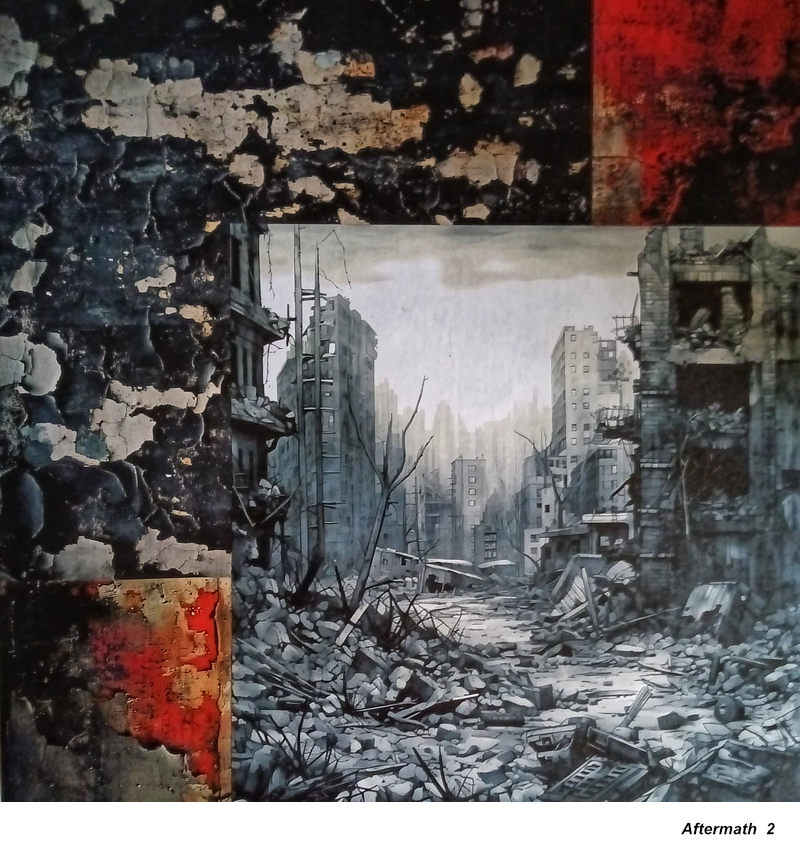
I have been working lately with mixed media collages on canvas. I enjoy the journey of creating the collages as much as the end result. I have also been working on the digital manipulation of my existing pieces to create a totally new piece of work. In particular, the taking away or adding in of color. But, I think my favorite medium to work with is still alcohol ink but creating with it using innovative techniques.