Tell us how you first became interested in creating art.
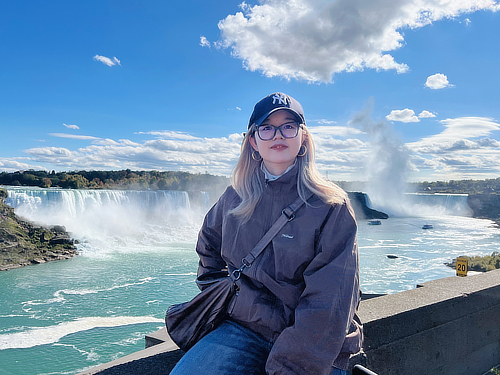
I grew up between two cultures and discovered early that drawing was the most precise language I had. It lets me record nuance without translation loss. After several years in accounting, I returned to graduate school and committed fully to illustration. The transition was deliberate and grounded in sustained practice. Over time I realized I value patient craft over quick outcomes. I tend to build work through steady studies and revisions, choosing curiosity over hesitation. This approach keeps the pictures warm and attentive while still allowing for risk when a composition needs it. Most importantly, it reminds me that images should invite people in. Color and contour carry meaning, and empathy carries the experience.
Fauvism’s saturated color, simplified forms, and lyrical pattern showed me that color is not merely description. It is structure, pacing, and feeling
Which artists or art movements have influenced you?
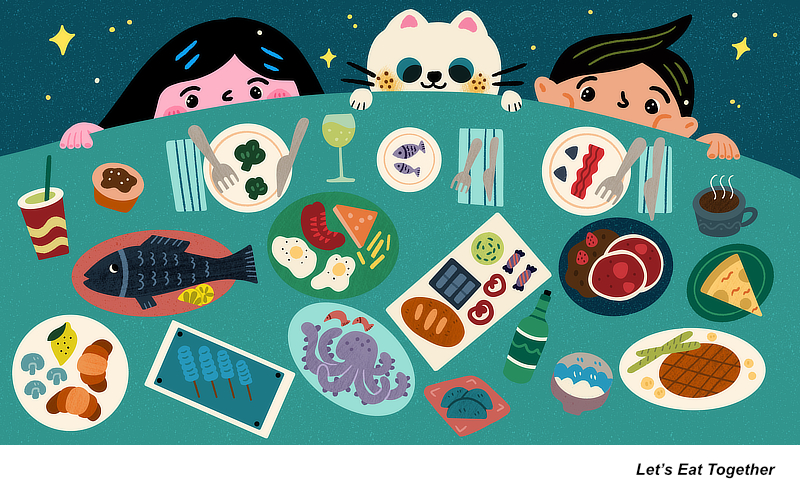
Henri Matisse anchors my visual thinking. Fauvism’s saturated color, simplified forms, and lyrical pattern showed me that color is not merely description. It is structure, pacing, and feeling. I often begin with bold chromatic blocks and then refine edges and pattern so the emotion stays immediate. In Let’s Eat Together, currently showing in Los Angeles with Shoebox Arts’ “Let Me Eat Cake, Please!”, the composition balances clear contours with a collage-like sense of placement. It reflects what I learned from Matisse about clarity, joy, and the courage to let color lead. I also pay close attention to how contemporary illustrators carry these lessons across print and digital contexts, so the language reads with equal strength on paper and on screen.
How would you describe your artistic style? What inspires you?
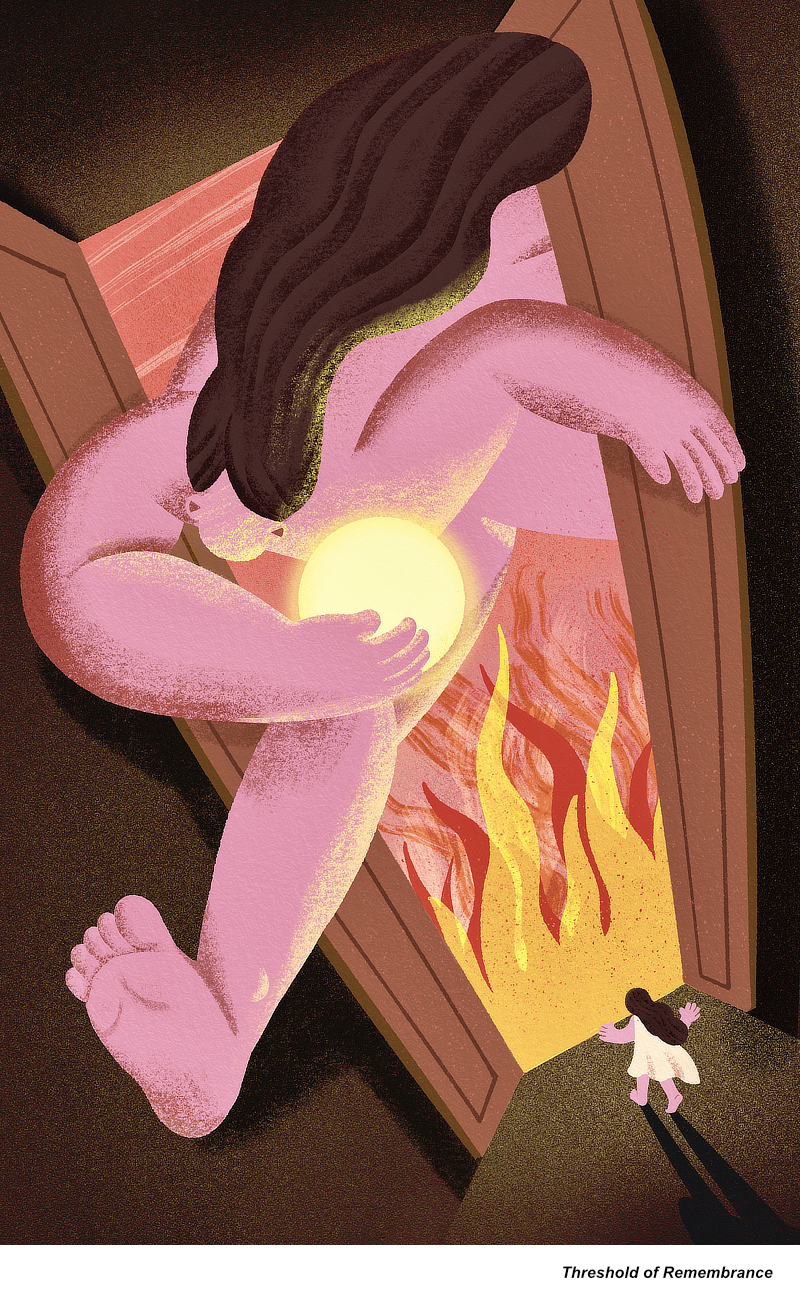
My work is warm and restorative. I look for modest and luminous moments, such as morning light on a table, a shared joke, or the quiet pride after finishing a simple task, and I give them a clear and joyful voice. Visually, I favor clean contours, lively color, and measured pacing so a viewer can settle in rather than feel rushed. Under the surface, I attend to social realities, including who is present, who is absent, and what habits shape care in a household or neighborhood. Those observations enter through metaphor and calibrated humor, so a piece reads as playful at first and then opens into reflection. The aim is emotional accuracy without sentimentality.
I want the work to feel true first and then skillful
What is your favorite art accident? Did it change your perspective?
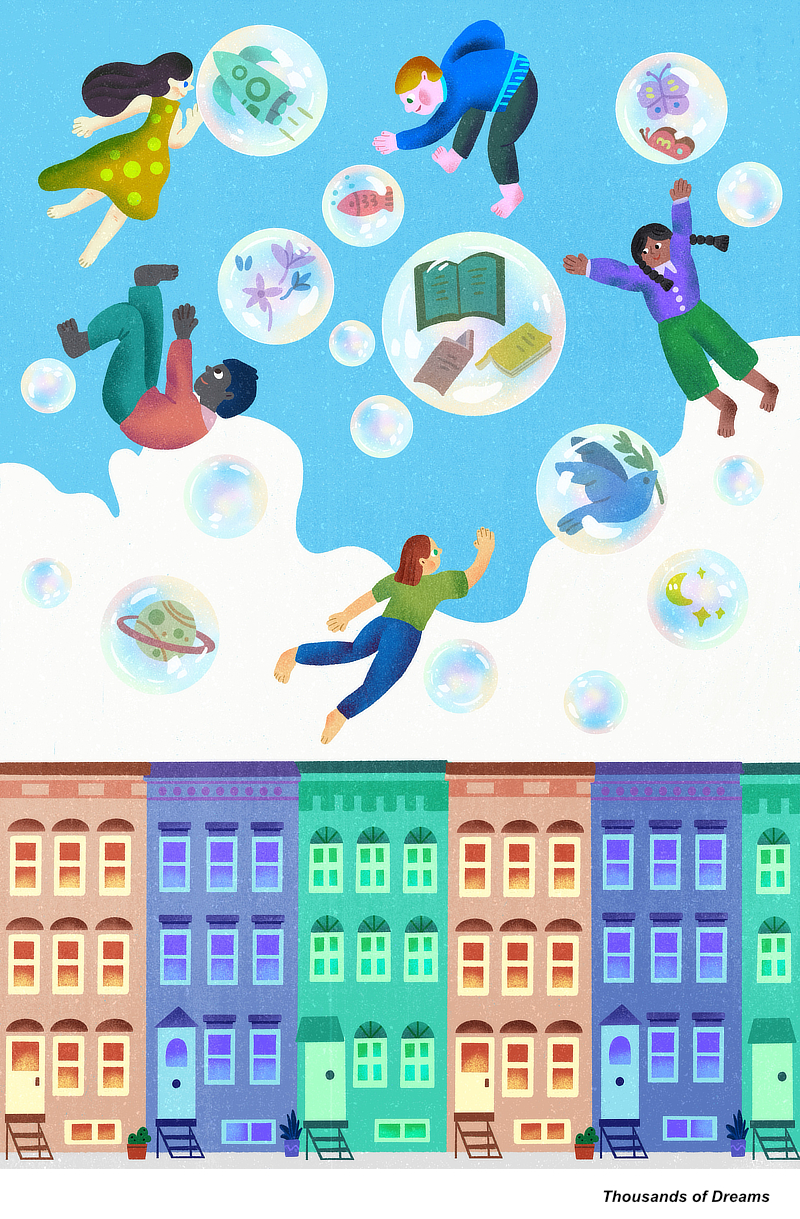
While developing Thousands of Dreams, I set aside planning and let exploratory marks lead. The stray rhythms suggested a world, and the composition grew by following those cues rather than forcing a predetermined sketch. That experience shifted my process. I now use drawing not only to execute but also to discover. The finished piece has had a good journey. It was shown last month at the Clark County Government Center Rotunda Gallery, it is now on view at the Consulate of Mexico in Las Vegas, and it is scheduled for the Herberger Theater. For me, the art accident was not a mistake to correct but a method to trust. I let the hand move until meaning becomes legible.
What is the most important thing about art to you?
Honest expression matters most. Technique is essential because it carries clarity, durability, and respect for materials. Without a clear and sincere feeling, polish can ring empty. When the emotion is present, small irregularities read as authorship rather than flaws. They testify to a human hand and a lived experience. I want the work to feel true first and then skillful. That order keeps me accountable to the viewer and to the subjects I depict.
How do you promote your art?
I grow the audience through consistent publishing and selective visibility. I share process and finished work on my website and Instagram, and I take part in local and online communities where the conversation is active and constructive. I submit to juried opportunities that align with my practice and collaborate with editors and publishers who value story as much as image. Recent recognition, including Chosen Winner in American Illustration 44, Selected Winner in Applied Arts 2025, and the Longlist for the World Illustration Awards 2025, has introduced my work to new curators and readers. Exhibitions such as LACDA’s “Electron Salon” in Los Angeles, Winchester Gallery’s “Life in Death,” and the Venice International Art Fair 2024 have broadened reach. Steady output, clear storytelling, and well-chosen milestones remain the most effective strategies for sustainable growth.
What is missing from the contemporary art market? What problems do you see in contemporary art right now?
Access remains the largest gap. Many communities still lack low barrier ways to encounter and learn art, including affordable classes, welcoming exhibition spaces, and clear entry points for first-time viewers. When access improves, talent and audiences grow together, and the field becomes healthier. In my practice, I respond by sharing the process openly, designing talks and workshops that are friendly to beginners, and partnering with community venues. For example, I may tailor demonstrations to people with limited materials, and when feasible I aim to align open studio hours with neighborhood events. Small and repeatable structures of welcome can make a meaningful difference.
What are your plans? What are you working on now?
I recently released my children’s picture book, Cleo the Caterpillar CAN Pivot, a story about courage, strength, and beginning anew. I am now developing a second children’s title. I am outlining characters, pagination, and the rhythm of page turns, while in conversation with an editor. In the studio, I am building a nature focused series that looks at light, seasonal shifts, and how plants and animals model care and balance. The goal is to translate those observations into images that feel restorative without losing specificity. I will share work in progress on my website as the series evolves.