Tell us how you first became interested in creating art.
My mother noticed my artistic talent early on and enrolled me in formal art lessons when I was just nine years old. My teacher introduced me to chalk pastels, watercolors, and oil paints—mediums that opened up a lifelong love for color, texture, and creative expression.
Which artists or art movements have influenced you?
Some of my favorite artists include Piet Mondrian, Joseph Stella, Jane Perkins, and Simon Silva. Mondrian, a former teacher like myself, was a pioneer of modern abstract art and a leader in the Dutch movement De Stijl. Stella, an Italian-born Futurist, is best known for his vibrant depictions of industrial America, especially his images of the Brooklyn Bridge. Perkins, a UK artist, inspires me through her inventive use of found objects, transforming them into entirely new creations. Silva, born in Mexicali and raised in the U.S. as a migrant worker, paints with a heartfelt authenticity that reflects his early life experiences. I’m drawn to their use of structure, color, and inventive interpretation of familiar subjects.
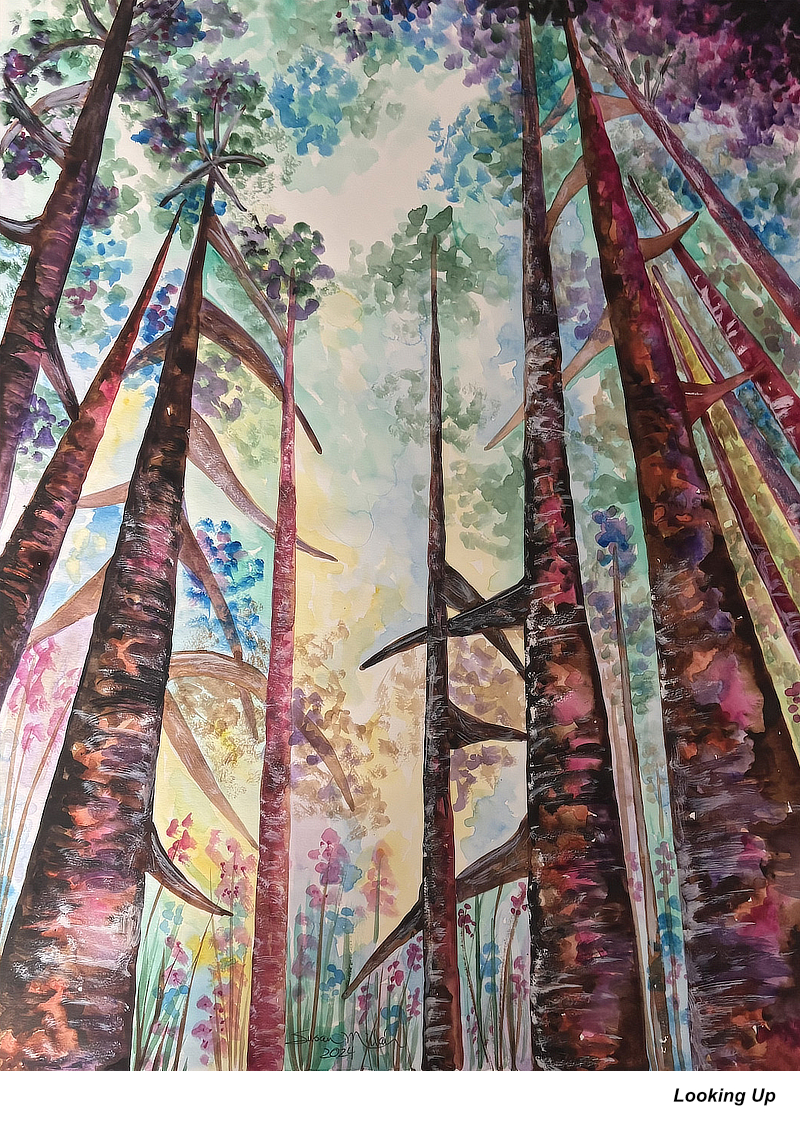
From Realism to Radiance: A Journey Through Color and Imagination
How would you describe your artistic style? What inspires you?
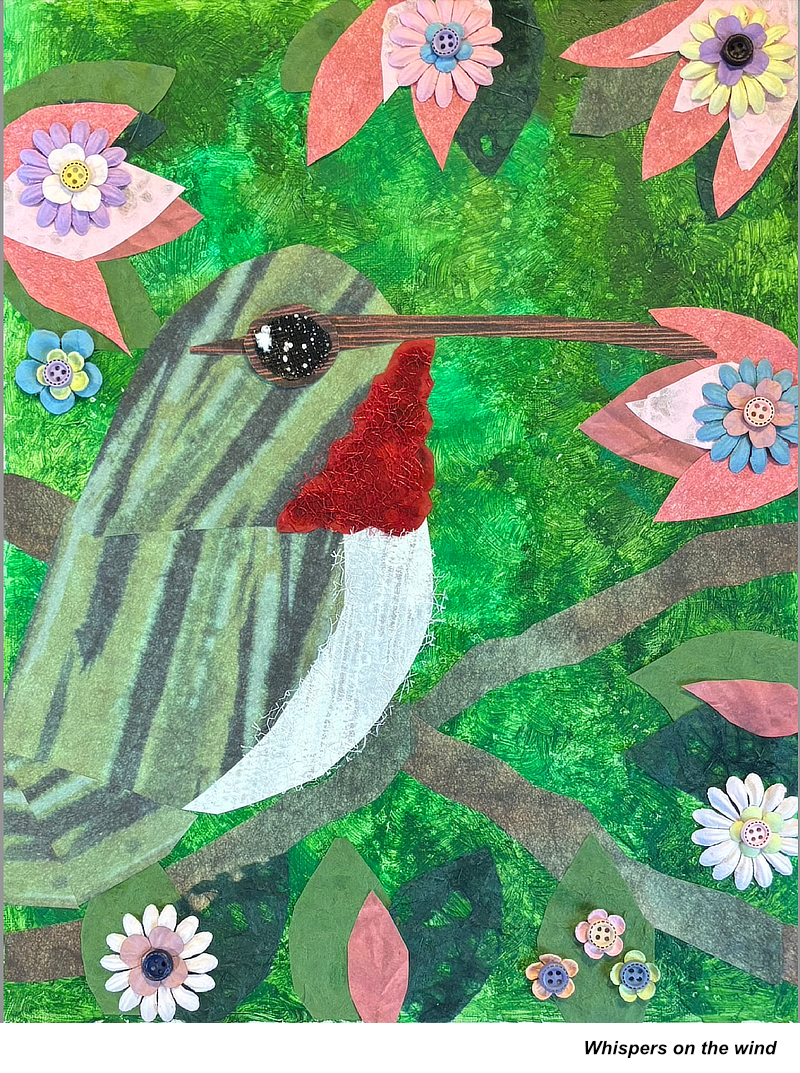
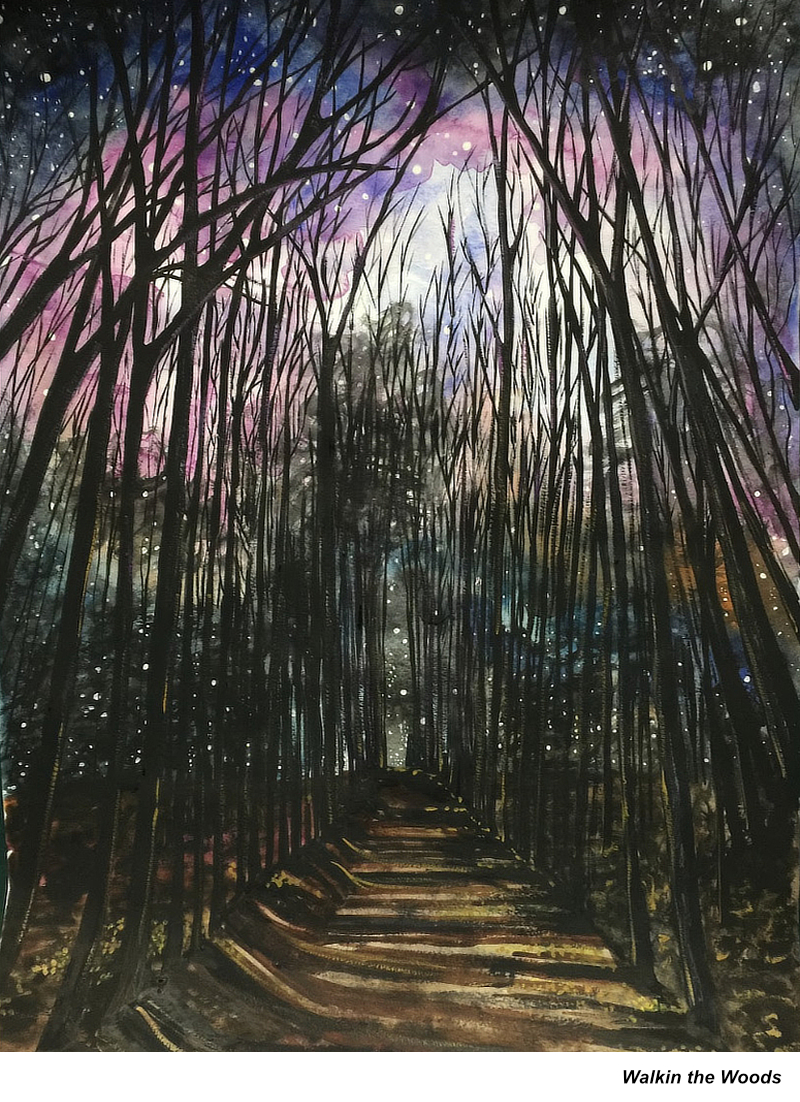
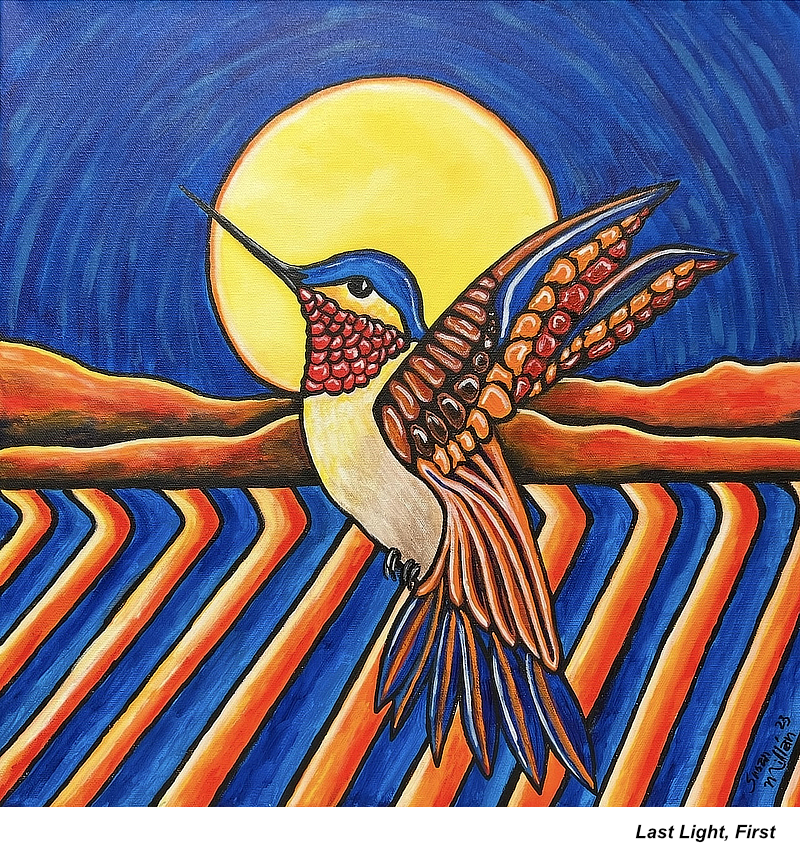
When I was younger, my art leaned toward realism, as that was how I was originally trained. Today, I embrace a more abstract and expressive approach, filled with vibrant color and intricate detail. I often paint nature-inspired subjects—butterflies, hummingbirds, and horses—because they resonate deeply with my audience and reflect the beauty and movement of life.
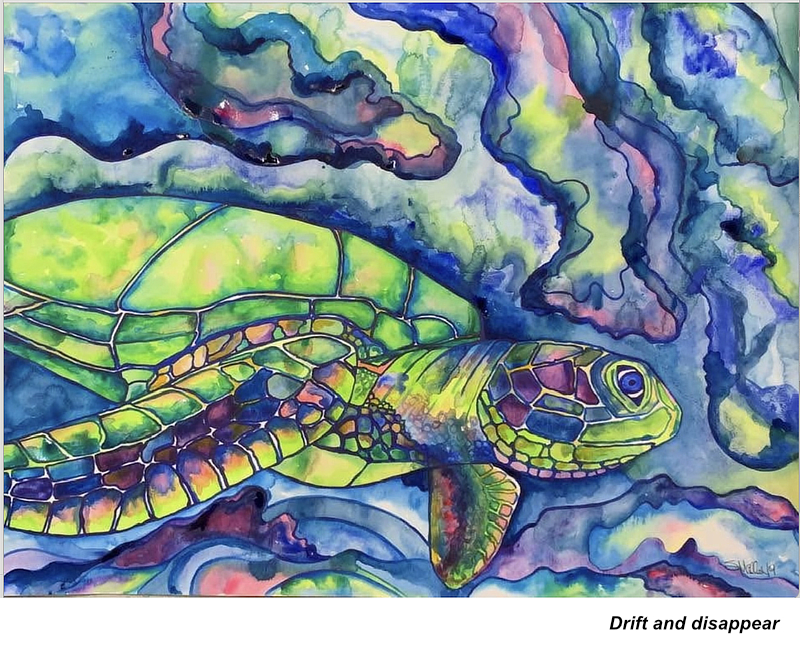
...sometimes what feels like a “mistake” is simply the beginning of a breakthrough
What is your favorite art accident? Did it change your perspective?
Like many artists, I’ve had moments of frustration where I’ve been tempted to discard a painting. One of my favorite pieces today nearly ended up in the trash—I wasn’t satisfied with how it was developing. Thankfully, I set it aside instead of tearing it up. When I revisited it later, I saw something new, made a few changes, and it became one of my most beloved works. It’s a great reminder that sometimes what feels like a “mistake” is simply the beginning of a breakthrough.
What is the most important thing about art to you?
Painting is both a passion and a necessity for me—it’s how I process and respond to the world around me. I often say that I don’t just love to paint; I paint to live. Each piece allows me to translate ideas, emotions, and challenges into color and form, making sense of life through creativity.
How do you promote your art?
After relocating from California to Phoenix, I’ve been immersing myself in the vibrant Arizona art community. I’ve participated in both physical gallery exhibitions and online shows. The online exhibitions provide wonderful digital badges and exposure through social media, while the in-person openings have allowed me to connect with fellow artists and collectors face-to-face. I appreciate how themed shows give me a creative focus—I enjoy working toward a specific vision rather than submitting at random.
What is missing from the contemporary art market? What problems do you see in contemporary art right now?
One of the biggest challenges in today’s art market is saturation—so many talented artists are competing for attention that it can be difficult to stand out. Additionally, some patrons underestimate the value of original artwork, focusing only on material costs rather than the time, talent, and emotional investment that each piece represents. True artistic craftsmanship deserves recognition and fair appreciation.
What are your plans? What are you working on now?
I continue to exhibit in both online and physical shows, though I’m currently focusing more on local galleries and in-person opportunities here in Arizona. My current work includes new watercolor and acrylic pieces, and I plan to experiment more with mixed media, collage, and assemblage in the near future. Exploring new materials keeps my creativity fresh and ever-evolving.